Consumers are increasingly happy to use AI for shopping, even on Amazon. Whilst most businesses are comfortable with the requirements of the A9 algorithm to maximise their visibility in Amazon search, this new world requires a different understanding. This article describes shoppers’ relationship with AI assistants, the way that Amazon Rufus works to support shoppers on the platform and some of the underlying AI mechanisms. We conclude with some recommendations for optimising Amazon listings in this new context.
AI shopping Consumer Data
Insights company GWI presented some fascinating AI shopping data at Amazon unBoxed London in February. The first surprising fact was that AI isn’t just for Gen Z.
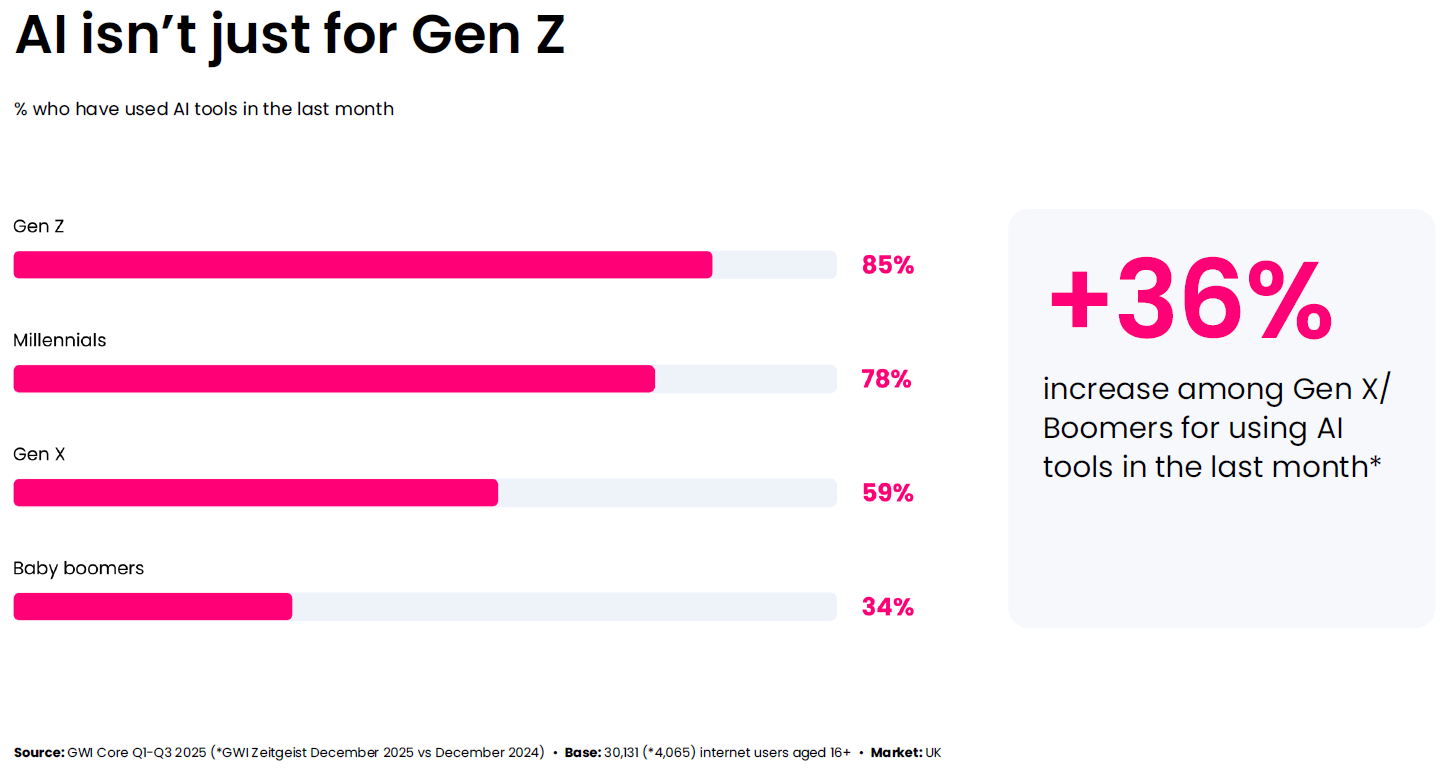
Comfort with using AI tools is high, with 46% of those surveyed stating that they interact with AI chatbots at least monthly. However, 54% say that it’s extremely important to them that AI-generated content is clearly labelled as such.
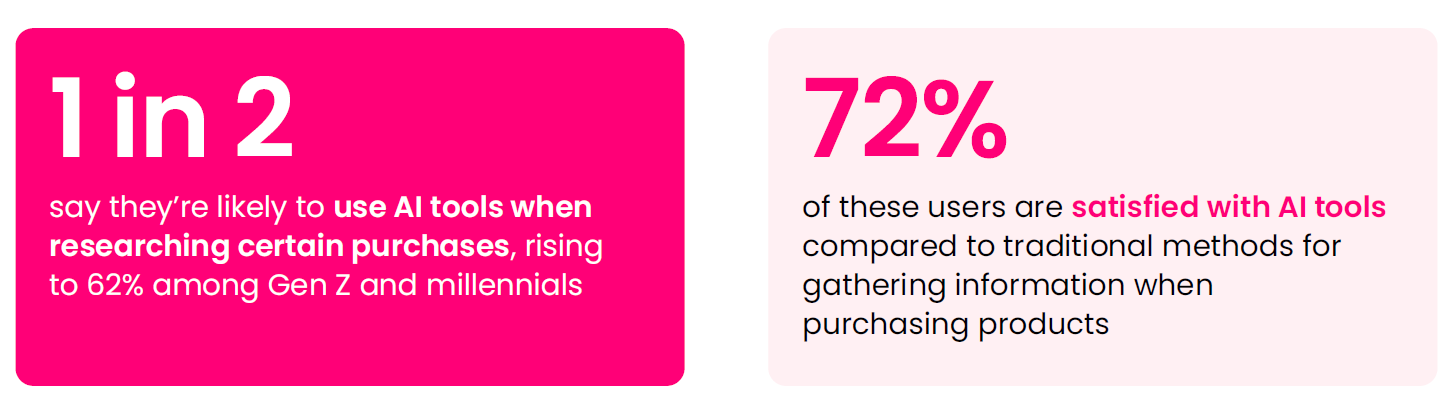
So how are people using AI tools to help them with shopping? Again, GWI has answers:
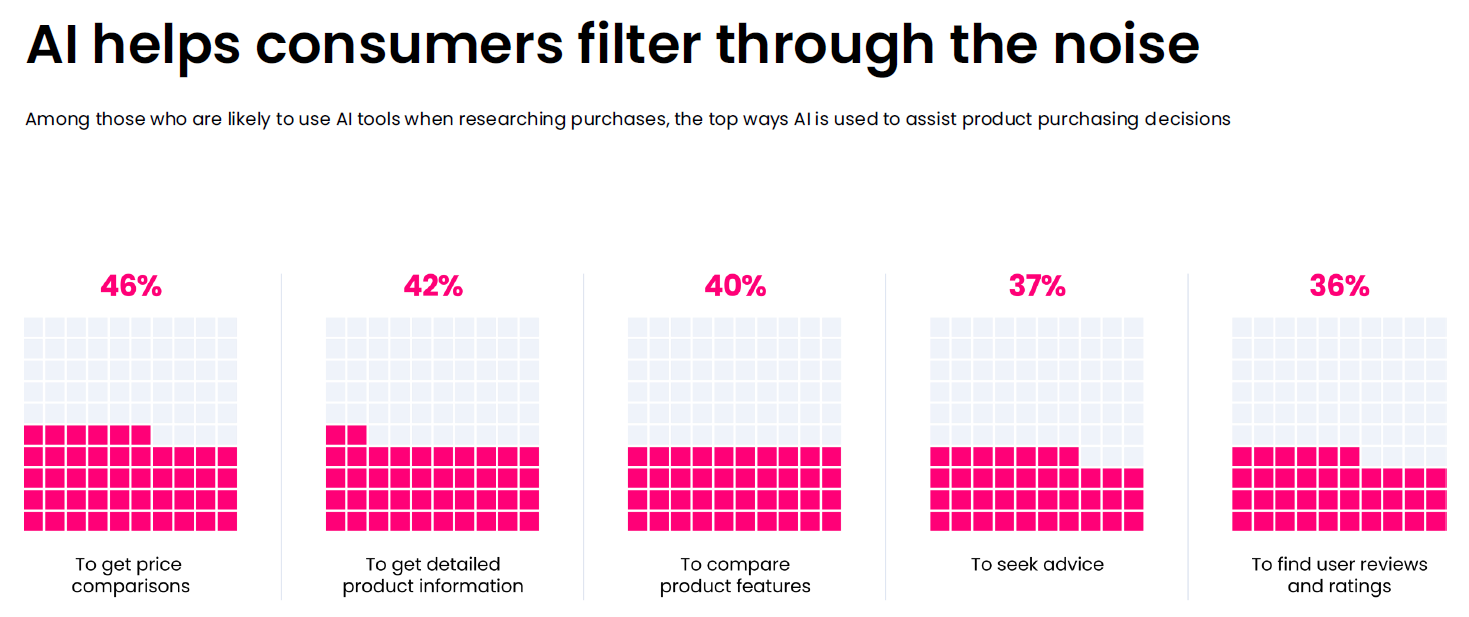
This insight suggests that Amazon have clearly understood the role AI is playing in the shopper journey and have created a tool to meet that need precisely.
Rufus
Amazon’s AI shopping assistant Rufus launched in November 2024. This helpful little tool sits in different places in different markets, occupying a discrete little icon on the UK mobile app vs a whole panel on the US desktop site. If you aren’t sure where to start, Rufus will even give you hints about what to ask relating to your last search. The tool will:
- Provide a detailed list of recommended products based on your needs
- Make price comparisons based on total price and price per unit
- Provide detailed product information including why its recommendations meet the requirements of the question you asked
- Compare product features
- Summarise reviews of products creating a punchy list of common likes and dislikes
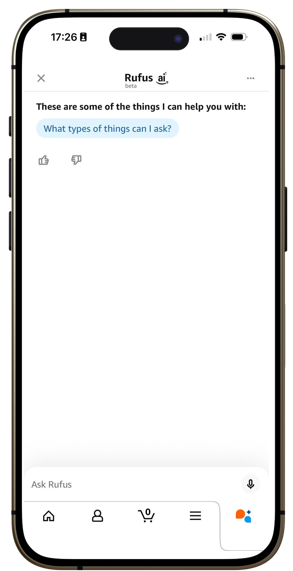
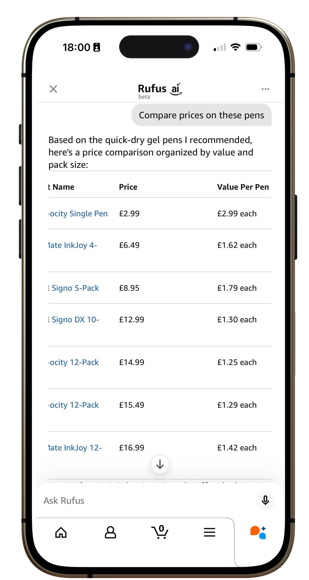
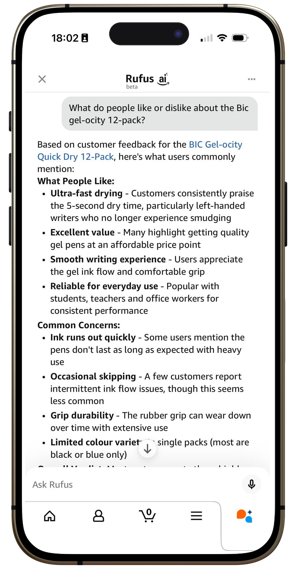
In summary, Rufus’s AI shopping recommendations on Amazon deliver against shoppers’ main requirements. In addition they are clearly labelled as AI, even meeting that need for users.
Comparing Rufus and A9 results
Simply typing the same words into both the search bar and the Rufus window is enough to demonstrate that the two systems are powered differently. The A9 algorithm that powers the results from the main search bar is constantly changing. At the moment it is moving more towards ‘intent’ than a keyword focus. However, its aim is still to provide you with the a prioritised list of product results that will meet your need and convert to a sale.
Rufus, on the other hand, will read EVERYTHING on your product page – the images and video too, the reviews, the FAQs, everything… Its aim is to support your shopping journey by making product comparisons and recommendations. It’s designed to filter through the noise in exactly the way that shoppers need.
With a Rufus query you get fewer options, more reasoning and the opportunity to re-frame your question if you aren’t getting what you need. Rufus will remember the previous things that you asked and bear all that in mind as the conversation progresses.
Cosmo and Rekognition
In a previous article we also highlighted two important building blocks for Amazon’s AI shopping tools: Cosmo and Rekognition.
Cosmo builds triples of related keywords in order to help it understand the intent behind Amazon searches.
Rekognition is a tool that ‘reads’ listing images. This includes the actual words on a pack or infographic, but also the constituent elements of lifestyle and other images. This helps Amazon’s systems to build their understanding of the way that a product is used. It’s another reason why we always recommend including 6 images in your Amazon listing and incorporating lifestyle elements as well as front and back of pack etc.
Listing Recommendations for AI shopping on Amazon
The product listing elements that usually draw our focus (titles, bullets, images, attributes etc) will pull directly into Rufus AI answers. They are as important as they ever were, and need to contain all your selling points. However, Rufus will read all these things slightly differently. Specifically, Rufus loves:
Noun Phrases
For example, “Super-strong, 50l recycled plastic bin bags”. Build lots of these to cover the main features and benefits of your product, and place them throughout your listing.
Text on visuals
This includes infographics. Amazon’s AI systems read the text and process it to feed into Rufus responses
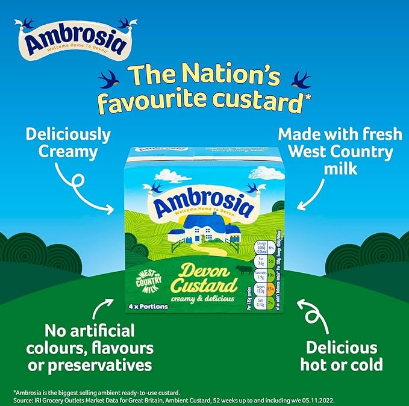
Amazon’s AI systems read the text and process it to feed into Rufus responses
Asking and Answering
Sellers can seed key information and selling points into Q&A answers on the Seller Platform. There is also a Q&A function in Premium A+. Vendors without Premium A+ will have to rely on embedding questions and answers in the product description section. For example, “Need the perfect gift for a new driver? Our car care and safety kits contain a range of car safety accessories, from P plates to a high vis jacket and an air vent phone mount”
Semantic Relationship Building
Rather than stringing common search terms together, Rufus prefers that you use natural language with descriptors and plenty of detail. It wants to understand what the product is, its key features, how it will be used and who it’s made for. For example “ready-to-use fondant icing, the perfect finishing touch for quick cupcakes or larger bakes”
Inference
This involves structuring content to allow Rufus to infer connections between product attributes, features, benefits and user-specific outcomes. Effectively this is about connecting noun phrases, images and label text and semantic relationships to build a rich understanding of your product and its use case(s).
Two final points
All Rufus queries link to the ASIN and to the category. So it is more important than ever to deal with broken variations, duplicate listings and misclassifications quickly. The architecture of the system is more important than ever.
Rufus now reads and highlights new launches more quickly than previously. In practice, as soon as they are indexed. The system no longer relies on quantities of historic data, but on the quality of the listing that it sees. This makes it more important than ever that products are launch in a ‘complete’ state, rather than getting the product live and layering in attributes, images and A+ later.
Conclusions
AI shopping is here to stay. Demographic destiny effectively guarantees this. Amazon’s AI shopping assistant, Rufus, is a good fit with shopper needs in helping them to cut through the clutter. An understanding of the way that Rufus works will help brands to construct Amazon product listings that an be read and processed. This will help businesses to maximise visibility for their products within both search and Rufus.